ModPro
Building a garage that fits in your pocket
Picture the late-night garage hum: sockets clink, a phone screen smudged with grease, and a proud “before/after” shot. That’s the moment ModPro wanted to honor—a place where car folks could track every modification, show their builds proudly, and get smart, personal ideas for what to do next. Our job: turn that love into a product that feels fast, friendly, and trustworthy.
THE CHALLENGE
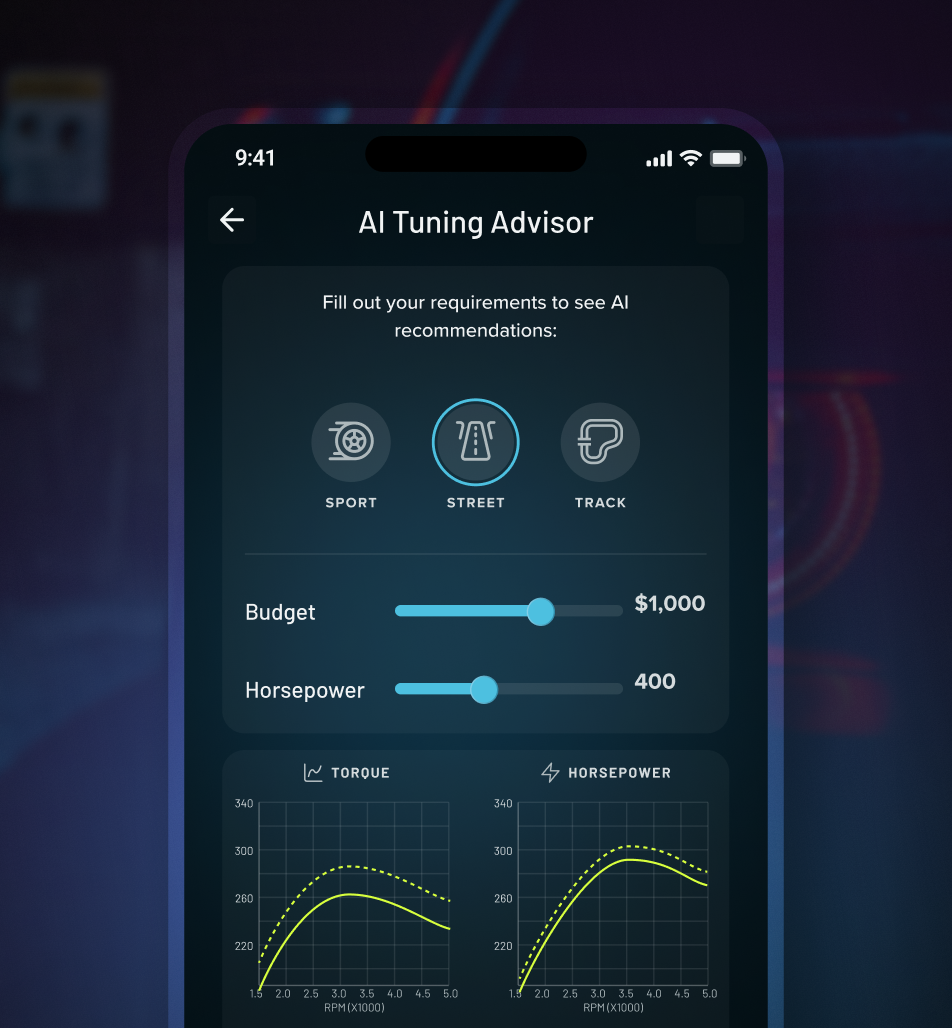
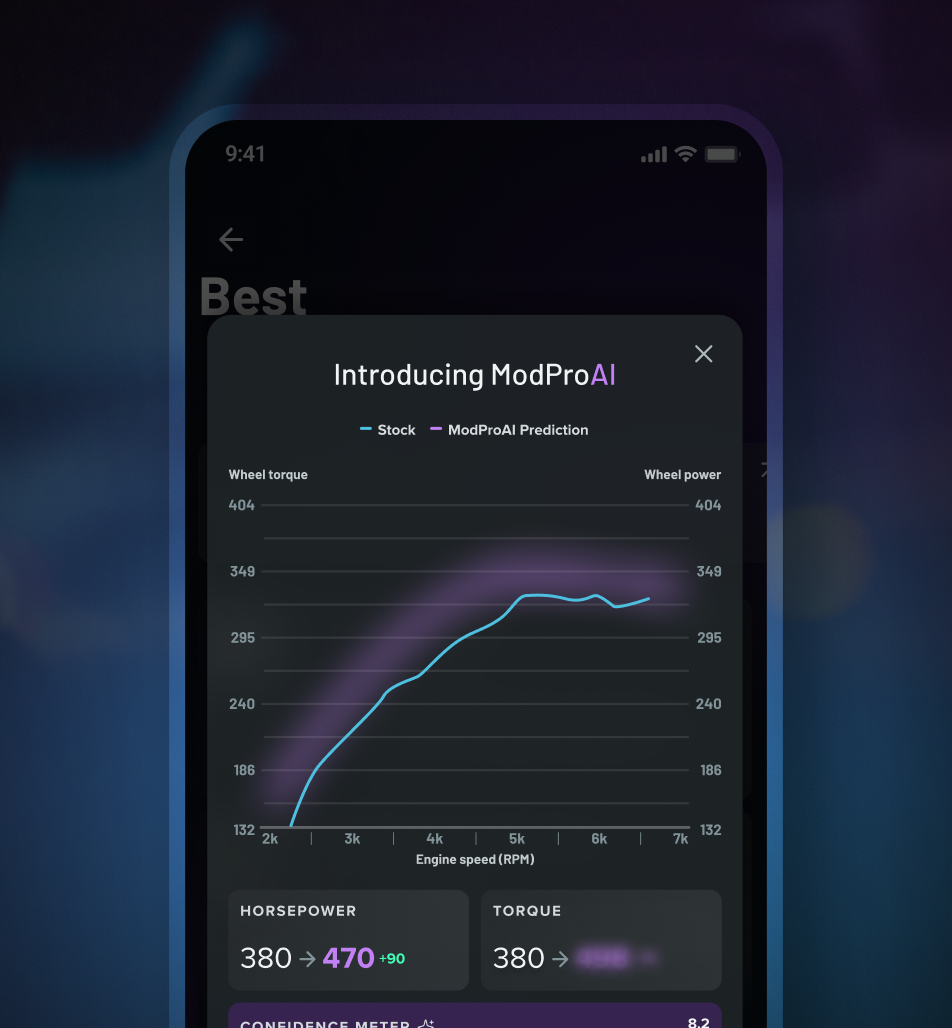
A one-year engagement focused on discovery and UX/UI to define and design ModPro’s first release: a mobile-first product where users create a “garage,” track every modification, share builds, and preview an AI-powered planner. Success meant a clear MVP, a tested flow that anyone could use on the first try, and a design system that would support Phase 2 (the recommendation engine).
What we made (and why)
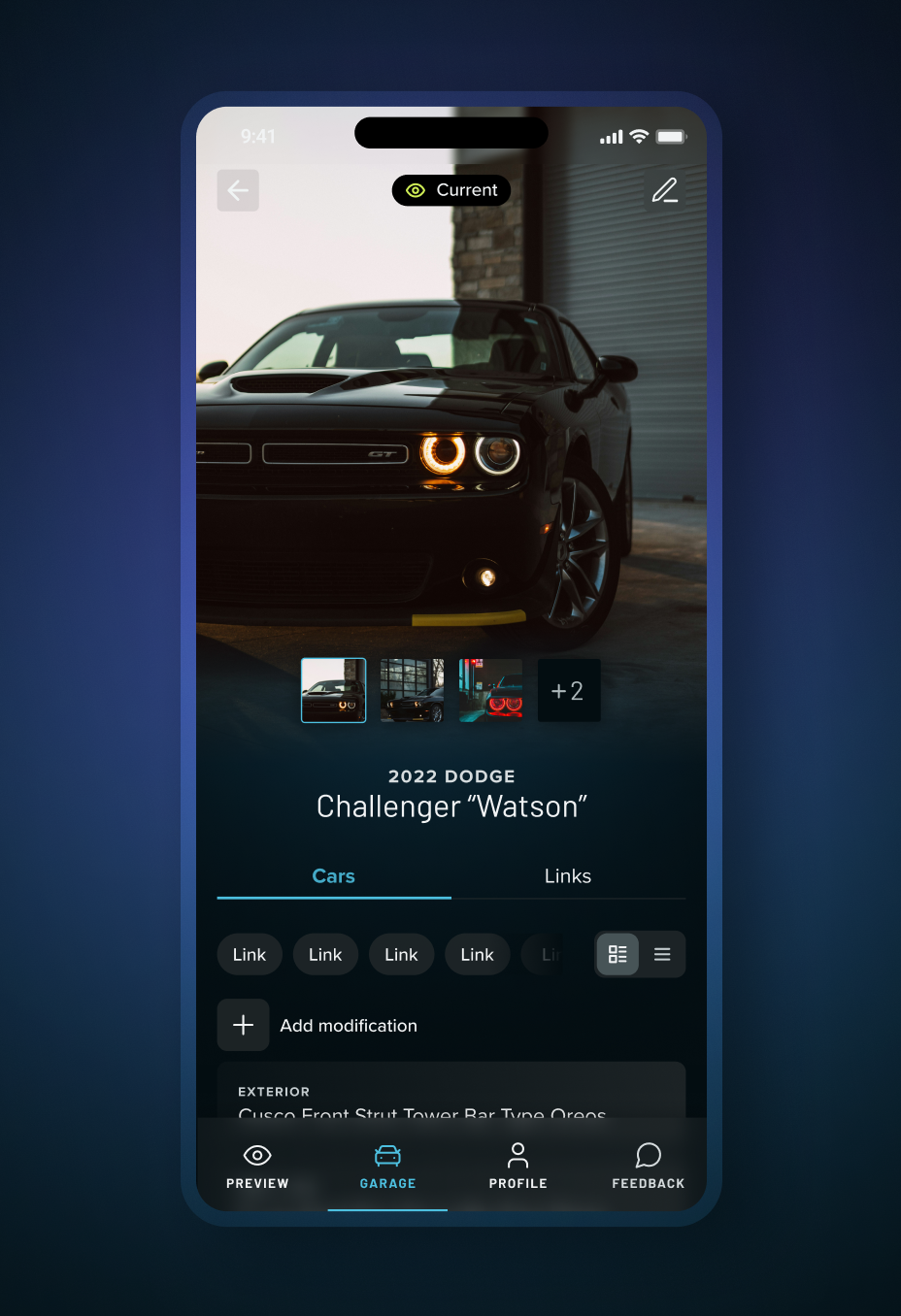
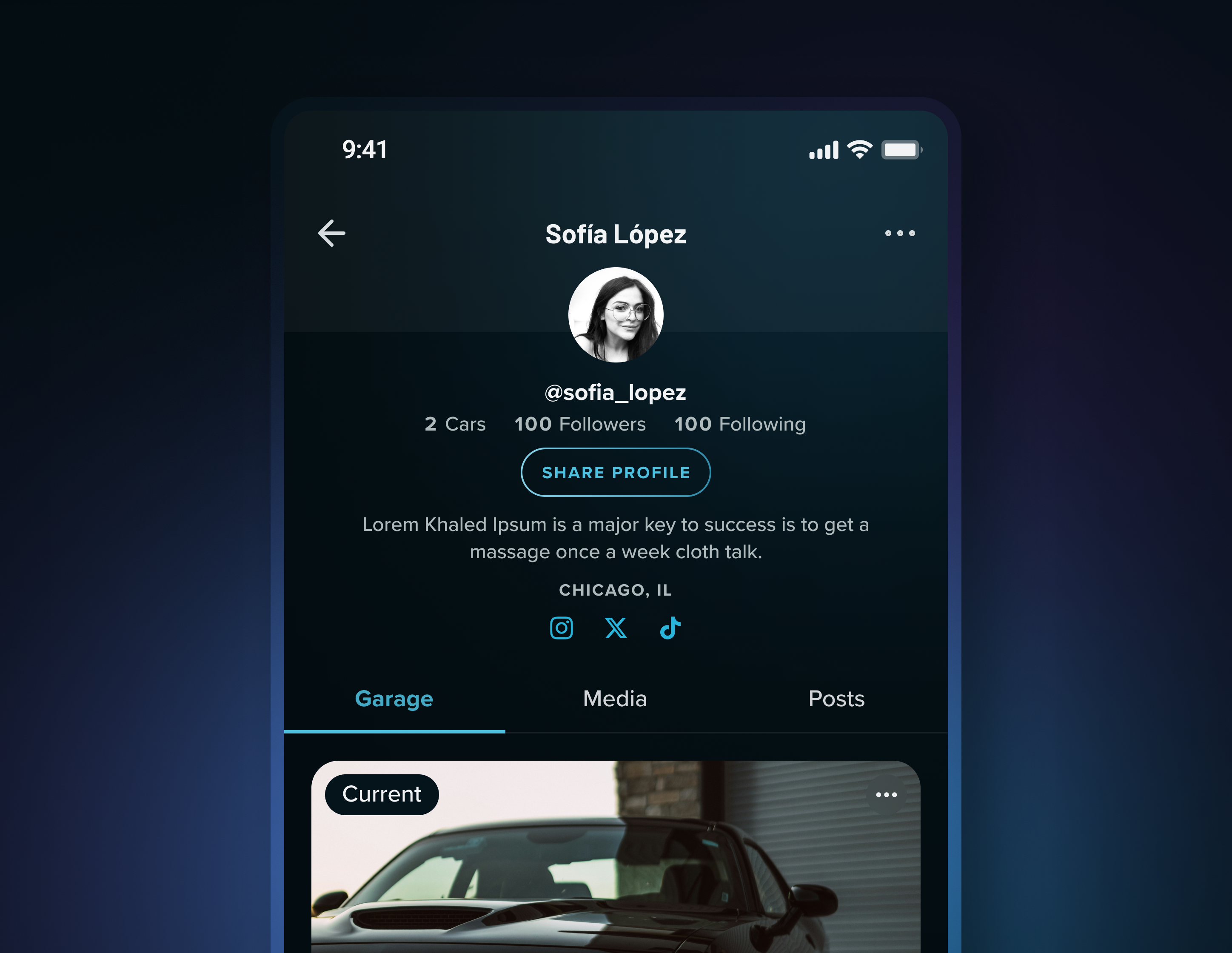
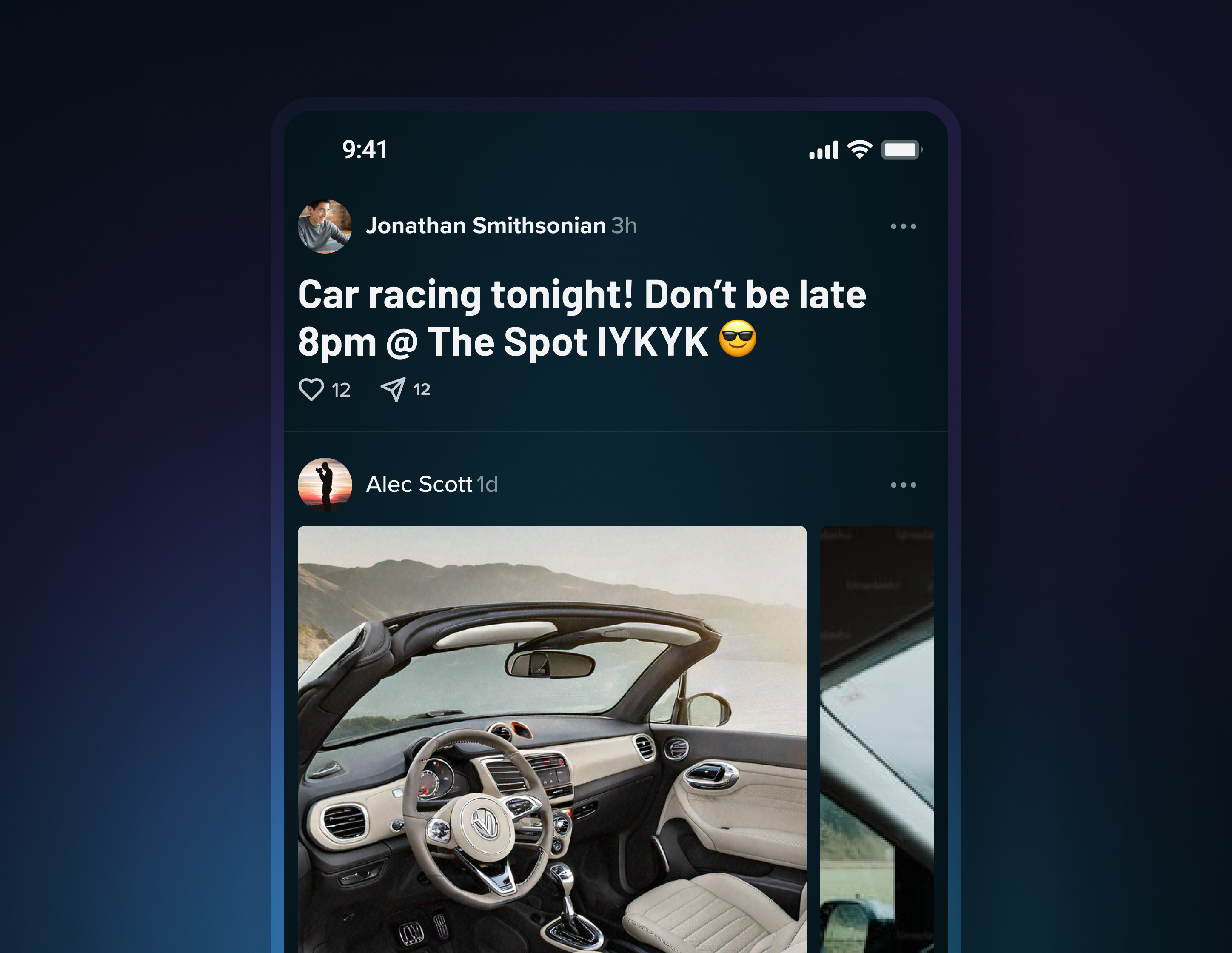
We designed a compact information architecture around four places people naturally go: garage (all cars), vehicle profile, mod list (installed and planned), and activity (shares, comments). The mod composer is the heart: scan or search a part, snap photos, tag cost/time, and save—fast. We wrapped it in small kindnesses: auto-save drafts, offline capture, clear “share vs. private” toggles, and side-by-side before/after photos that feel like a mini victory lap.
“Log it before the hood cools.” One tap to capture, one tap to brag—done.
How we kept it human—and fast
Capture first, sparkle second. We prioritized a “two-tap log” over flashy feeds → mod tracking got fast enough to use with gloves on, and the feed still feels proud—just not in the way.
Parts as data, not decoration. We structured every entry (part, vendor, cost, install date, mileage, notes, photos) → cleaner profiles and a reliable foundation for AI suggestions later.
Opinionated defaults. Pre-filled vendors, common categories, and price ranges → fewer abandoned entries and more consistent data across users.
Results (and what’s next)
ModPro is live with steady weekly engagement and sub-minute mod logging for most sessions. The design system now supports rapid experiments without breaking the core flows.
Before → After: scattered screenshots and forum posts → a clean, searchable build story you can share in a link.